
I made the mistake of getting interested in my ancestors several years ago. Genealogical research is when you set off in the most hopeful of frames, just knowing we will discover Dukes, Earls, celebrities, inventors, Queens and famous artists in our personal tree. More likely you will find ordinary people who farmed, had children and never moved. Or worse, horse thieves and other people running from debtors prison or an ex-wife and children.
It’s like a fellow who was looking into his heritage, but he wasn’t very encouraged by what he found. He wrote a friend and said, “It’s not going so well. First, it’s hard to figure some things out. Sometimes I think I’m the only one up my tree. Seems like the answer to one problem leads to two more.”
“But that’s the least of it. Why, once I find answers, they’re not the ones I want. I’ve found more than one person HANGING from the family tree. And my tree seems to have more than its share of saps. My family tree is a few branches short! I think my REAL ancestors must be in a witness protection program! It’s like I shook my family tree and all that fell out were nuts. So I’ve decided that most of my problems aren’t my fault. I’m ancestrally-challenged.”
When I did my investigations into the Furr family, I found my family line all the way back to Switzerland. But along the way I also found forty-five Confederate soldiers and some slaveholders, along with a little prison time and a great grandfather’s sensational third divorce full of accusations of kidnapping that was in all the Charlotte papers for a while. Be careful what you ask for. I stopped my research for a while.
I find the most curious toxin of our current culture war in America is the need to rewrite history. I say rewrite because in fact, those who are trying to “set our history right” in their own minds want to purge the unpleasant parts and restore a childish version of history, back before puberty and the disillusions of adult truth have to be reckoned with, as though we can change the past by hiding the bad parts and pretending they didn’t happen. Societies end up banning books, censoring people, getting rid of academic freedom and dampening free speech. And worse.
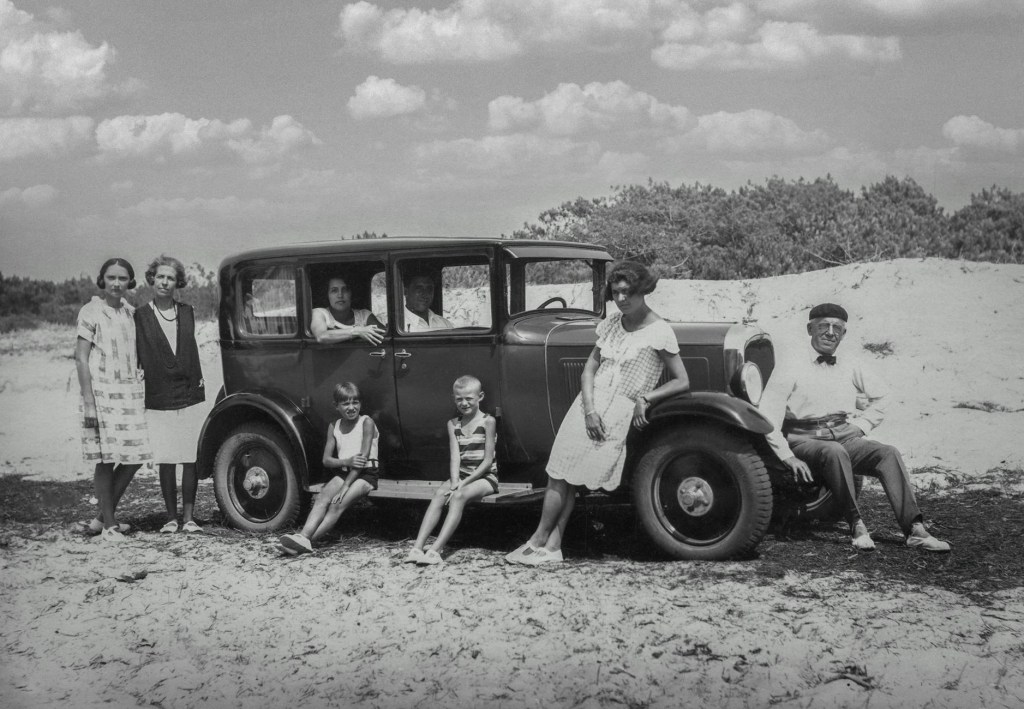
This has accumulated into a ball of grievances that have little to do with history and the fellow who lives down the street who is different from me and everything to do with how perilously fragile we all are in this moment. But it’s easier to argue about Confederate flags and statues and wokeness than to comprehend that robots may be getting ready to do away with the lot of us, except for the handful who control the robots. But that’s another story for another day.
When we’re afraid, it feels good to pretend that we aren’t. And to help us, we tell stories, not real ones that will scare us or inspire us or cause us to feel another person’s truth, but flaccid stories that confirm what we already believed. Those of us who have actually studied and taught history know how hard truth is to get at, and that emotional insistence is not helpful if you want to understand what really happened.
As a Southerner, these are all familiar conversations to me. Because I remember my childhood, segregated schools and water fountains, and the painful facing of the legacy of slavery. My childhood denomination, the Southern Baptists, started over the issue of slavery. They never admitted that until 150 years later. We made up other stories, about principles and autonomy and such.
Slavery and racism were the greatest source of shame for us in the South. All that bad history is in our family. We don’t like to talk about it out in front of people. It’s embarrassing. It makes us look bad, like we are actually the sinners the preachers pretend to believe we are when they tell us that we are bound for judgment on Sunday. If all that is true, then we have to repent immediately as the preachers ask us on Sunday morning and we agree and say, “Amen.” And pretend to mean it.
Someone once observed how odd it was that large gatherings of Christians listening to a preacher talk about all the people going to hell would be laughing and clapping instead of weeping. If we really believed it, the agony, the price of reclamation, the damage done, we would fall on our faces in tears and sell everything we own and give it to people in need. The way you avoid that is to always make sure the person under judgment is someone else and not us good people.
Admitting the truth of our history is not weakness or wokeness. It is the beginning of getting well, of facing what can be repaired, restored, and forgiven. It can eventually be the means of our redemption together. The question is, why are we so afraid of ugly truths, of the records of our ancestors that are less than stellar? Well, that goes back to the whole problem of truth-telling to yourself, admitting your failures, the ones you’ve spent your life racing to overcome so you never theoretically have to need help from God or the rest of us. You have to make it on your own, and if you need a little help, or you get busted for cutting corners, well, you have to make the walk of shame.
It’s pretty silly when you look at it that way. I got to hang around a lot with preschoolers in my former job as a pastor, and they usually make up pretty easily once their wrongs are pointed out. It takes some years to learn how to run away from them like we adults learn how to do.
So, I’d advise that you consider not looking into your ancestors, not the real ones. Unless you want to know the truth, of course.
 The Flatpickin' Pilgrim's Progress