Sticky post

A Guitar for Christmas: Remembering Dad

I have a modest guitar collection if you compare to some. Each instrument I have and play, though, is as unique as a child. Each has its own “voice,” and no two instruments are exactly alike, even if they are identical models. Each piece of wood sounds a little different from all the others. You learn this if you are a serious player.

Instruments have their oddities, too. Sometimes, tuning is not precisely right on every fret, or the “feel” of the instrument varies. Some applies to guitars, violins, banjos, mandolins, any instrument of wood and wire. This eccentricity, like that of human voices, is a source of delight, not frustration. The reason I generally hate a lot of electronically created music is the sameness of it.

Human voices are like that. I like gravely voices, deep voices, angelically soft voices, and raspy voices. Each voice expresses who that human being is, at least in part.

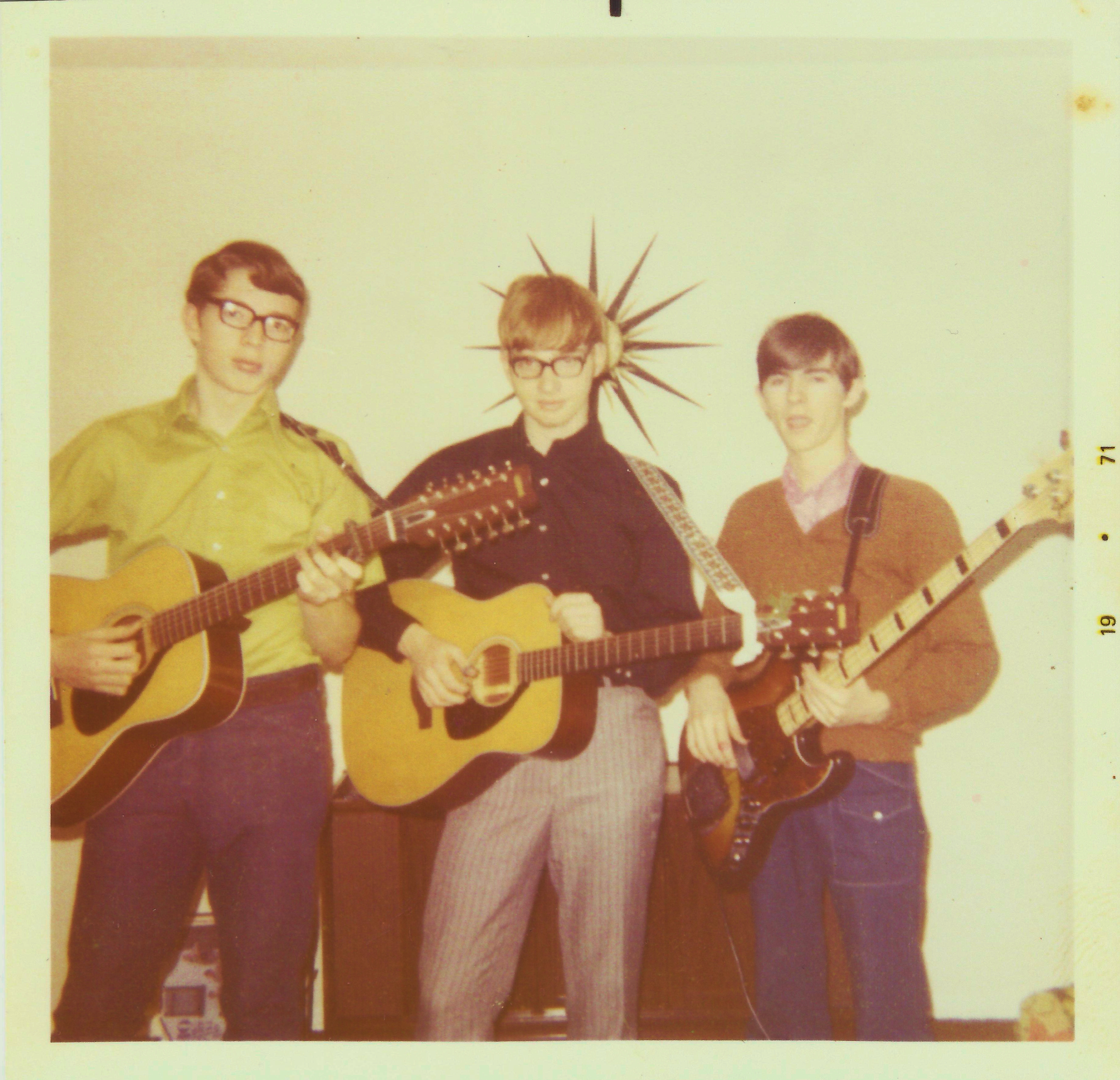
My very first guitar of my own was a Yamaha FG-230 Twelve String guitar.  My parents got if for me for Christmas of 1971, I think. I had started playing music with two great friends who were musicians.
Gary Woody Paul (1)
With Woody and Paul, Christmas 1971. Instead of new sweaters.

Both would go on to professional music careers, one still in it. My friend Woody had a Hoffner bass like Paul McCartney played in the early Beatles’ music, but that year got a Fender Jazz bass.  Paul, who already played a Fender Telecaster like a pro by age 17, got a Yamaha six string the same Christmas. We both loved old country music and bluegrass. Paul introduced me to everything else in the world–he liked all kinds of things, from Grand Funk Railroad to Dillard and Clark to the Incredible String Band.

We were writing songs and

Continue reading “A Guitar for Christmas: Remembering Dad”
God’s Dream and Our Fear

Adapted from my newsletter column to the church this week at www.vhbc.com:

As I was looking over past writings and came upon this one, from 1994. It still seems useful for now.

“God is our refuge and strength, a very present help in trouble” (Psalm 46:1).

The problem of life is not faith, but fear.  Fear of failure can paralyze a talented person from ever trying.  The fear of success can explain why many equally-talented people seem to sabotage themselves just on the brink of success or achievement.  Psychologists tell us that fear is the root of much procrastination in the perfectionist who can never begin the task until she is a little better prepared.

Fear can keep us silent in the face of evil when we should have spoken.  It is the fear of change that paralyzes our wills and reduces life to discontented mumbling against fate rather than risking ourselves to move forward.  The fear of death can turn us hollow and brittle, fearful of a garymisstep and terrified of suffering.  Fear grants a thousand deaths to a cowering heart.

Change, all change, brings fear with it.  Transitions surpass our past copings and leave us exposed and vulnerable.  We are once again where we find ourselves continually in life: thrown back on our wits and facing the unknown.

Every day, every week, we are facing changes as individuals, as the church, as families.  The creative possibility is that in the face of change we will choose with courageous faith to trust God’s new life through us rather than fear.

Parker Palmer says that “the core message of all the great spiritual traditions is ‘Be not afraid’…the failure is to withdraw fearfully from the place to which one is called, to squander the most precious of all our birthrights–the experience of aliveness itself.”[1]

As we look at the world around us, it is not a brilliant observation to see that we are in a time of suspicion, distrust and unkindness. The cheapness of life, the anger and fear of our culture, and the rampant selfishness of too many is easy to see. But what to do about Continue reading “God’s Dream and Our Fear”

Mapping the Bluegrass Genome

“The genetic code of bluegrass and old time music is more sophisticated than that.  It carries stories of birth, life and death in the old days.  It tells of children dying young, tragic love, shame, murder, alcoholism and faith.  To learn the code, no stereotype will do.  You have to descend into the music and listen.”


In 2005 I took a three month sabbatical to study, pray, and feed the senses.  I went to art museums, read books, went to Nashville to learn about the music industry and played at open mic at the Bluebird Café, reaching one

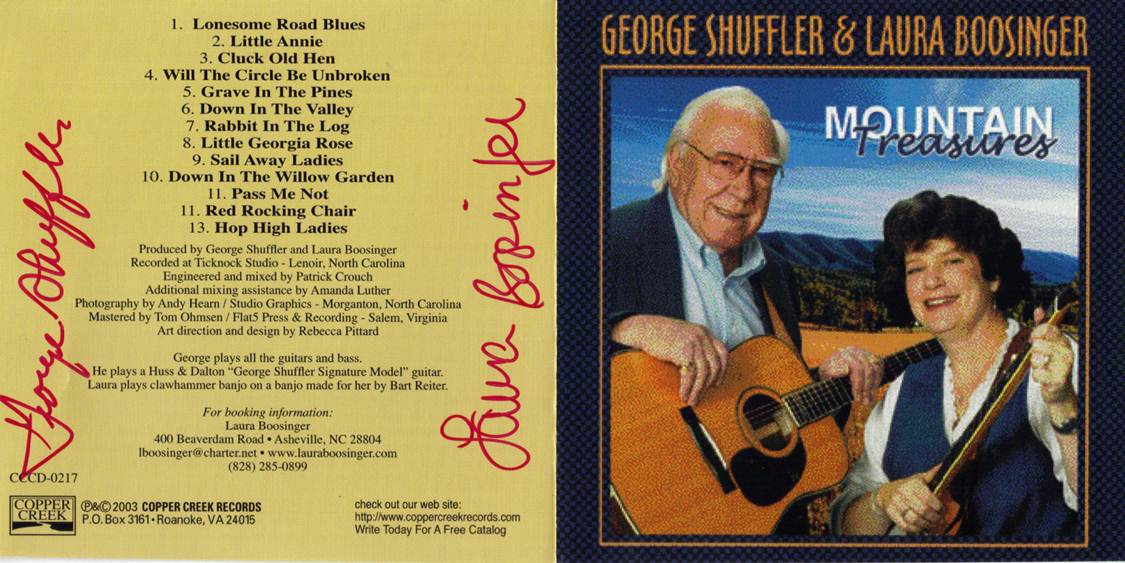
Shuffler and Boosinger Shuffler and Boosinger

of my bucket list items (the ultimate would be a gig on the “Prairie Home Companion Show” while Garrison Keillor is still on earth!).  But a lot of that time was “exploring my roots,” musical, theological and spiritual—which led to a week at Steve Kaufman’s Acoustic Kamp.

I’d been to the Kamp before, in Maryville, Tennessee.  Unless you are a devotee of the guitar and acoustic cousins like the mandolin, the “fiddle” (violin played a certain way), bass, banjo or dobro, you don’t realize that hundreds of camps happen every year across the world where musicians gather and play and learn the heritage of “roots” music—folk, jazz, country, celtic, and so on. In these places, campers rub shoulders with the legends of bluegrass, swing, fingerpicking and new acoustic music.  I met legends like Bill Keith, Clarence White, Continue reading “Mapping the Bluegrass Genome”